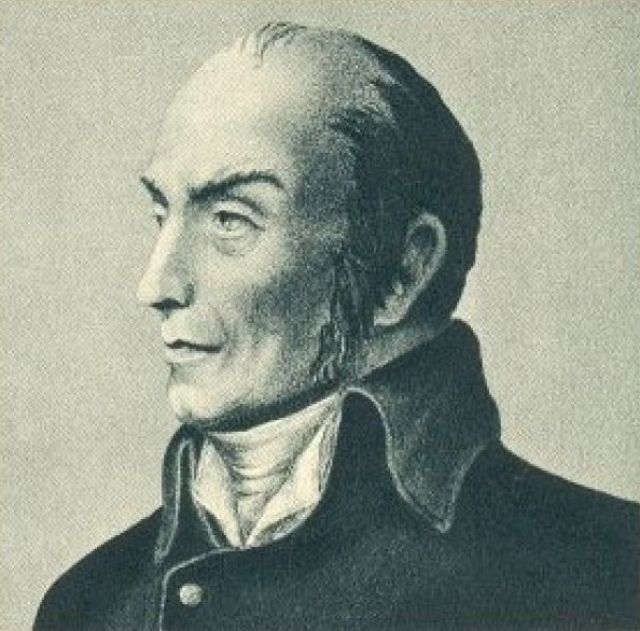
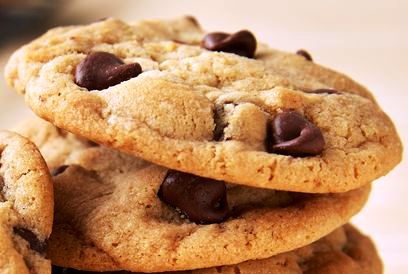
The invention of the chocolate bar marked a transformative milestone in food history, reshaping how chocolate was produced, consumed, and commercialized. Before the mid-19th century, chocolate was primarily consumed as a rich, spiced beverage reserved for the elite due to its complex preparation and high cost. This changed in 1847 when British chocolatier Joseph Fry developed a technique to mix cocoa powder, sugar, and cocoa butter into a moldable paste. By increasing the proportion of cocoa butter, Fry produced the first solid chocolate bar—a portable, affordable, and enjoyable treat.
Fry’s innovation catalyzed a new era in chocolate manufacturing. In 1849, John Cadbury introduced his own version of the chocolate bar, drawing public attention to the potential of solid chocolate products. That year, both Fry and Cadbury presented their creations at a trade fair in Bingley Hall, Birmingham, marking the chocolate bar’s debut as a commercial product.
This development laid the groundwork for the modern confectionery industry. By the late 19th century, advancements in refining techniques and the introduction of milk chocolate by Daniel Peter and Henri Nestlé further expanded chocolate’s appeal. Mass production methods, improved packaging, and marketing strategies turned the chocolate bar into a global commodity.
Today, the chocolate industry is valued at over $100 billion, with the chocolate bar remaining its most iconic product. Innovations such as fair-trade sourcing, plant-based formulations, and sustainable packaging continue to shape its future. What began as a Victorian-era invention has become a staple of global culture, thanks to Fry’s breakthrough in turning a luxury drink into a universally beloved snack.
The Birth of the Chocolate Bar and Its Impact on the Confectionery Industry
The history of food processing centers on the transformation of raw ingredients into food or various food forms. This tradition can be traced back to ancient times, specifically the prehistoric era, where early processing techniques like roasting, smoking, steaming, fermenting, sun drying, and preserving with salt were utilized. Without a doubt, food processing stands as one of humanity's oldest practices, dating back to time immemorial.
Pages
Showing posts with label invention. Show all posts
Sunday, June 29, 2025
Saturday, August 19, 2023
Evolution of Extrusion Technology
Extrusion, a process with ancient roots dating back to civilizations like Egypt and Mesopotamia, involves a screw within a cylindrical chamber. The credit for this foundational concept goes to Archimedes of Syracuse, a Greek mathematician and physicist who lived around 287–212 BC. Archimedes' inventive use of a screw within a wooden apparatus to elevate water from lower to higher levels was remarkable for its time.
This straightforward principle turned out to be pivotal across diverse industries, encompassing metals, ceramics, concrete, plastics, polymers, and even the production of food and feed.
Over the last couple of centuries, extrusion technology has undergone substantial transformation. Joseph Bramah acquired the initial extrusion patent in 1797 for crafting lead pipes via a ram-type machine and die. The technique, known as 'squirting,' eventually gave way to Thomas Burr's hydraulic press in 1820.
A pivotal advancement came in 1894 when Alexander Dick introduced the modern hot extrusion process, applicable to a wide range of non-ferrous alloys. The earliest documented extrusion apparatus featured a toothed rotor propelled by a winch within a toothed cylindrical cavity, primarily employed for rubber processing.
In 1820, Thomas Hancock developed a rubber masticator to repurpose rubber scraps, while Edwin Chaffee's creation of the first two-roll machine for rubber mixing in 1836 laid the groundwork for plastic extrusion devices, even though they weren't originally designed for that purpose.
In 1845, Richard Brooman and Henry Bewley patented the extrusion of Gutta Percha for copper conductor insulation. The inception of the extruder, a pivotal element in polymer processing, is linked to Mathew Gray's 1879 patent in England. Around the same time, Royle in the US also devised a screw machine.
The inaugural food extruder emerged during the 1870s for sausage production. In the 1930s, breakfast cereal manufacturing embraced extrusion to shape precooked dough, characterized by low shear rates. In 1933, the first continuous single-screw extruder with profiles conducive to low-temperature drying was introduced, supplanting batch systems.
In the late 1930s and 1940s, high-shear extruders facilitated the production of directly expanded corn curls. The inception of twin-screw extrusion technology was marked by the filing of the first patent in the mid-1950s.
While single-screw extruders found utility in the 1940s, twin-screw counterparts found their way into the food industry in the early 1980s and quickly gained popularity.
Evolution of Extrusion Technology
This straightforward principle turned out to be pivotal across diverse industries, encompassing metals, ceramics, concrete, plastics, polymers, and even the production of food and feed.
Over the last couple of centuries, extrusion technology has undergone substantial transformation. Joseph Bramah acquired the initial extrusion patent in 1797 for crafting lead pipes via a ram-type machine and die. The technique, known as 'squirting,' eventually gave way to Thomas Burr's hydraulic press in 1820.
A pivotal advancement came in 1894 when Alexander Dick introduced the modern hot extrusion process, applicable to a wide range of non-ferrous alloys. The earliest documented extrusion apparatus featured a toothed rotor propelled by a winch within a toothed cylindrical cavity, primarily employed for rubber processing.
In 1820, Thomas Hancock developed a rubber masticator to repurpose rubber scraps, while Edwin Chaffee's creation of the first two-roll machine for rubber mixing in 1836 laid the groundwork for plastic extrusion devices, even though they weren't originally designed for that purpose.
In 1845, Richard Brooman and Henry Bewley patented the extrusion of Gutta Percha for copper conductor insulation. The inception of the extruder, a pivotal element in polymer processing, is linked to Mathew Gray's 1879 patent in England. Around the same time, Royle in the US also devised a screw machine.
The inaugural food extruder emerged during the 1870s for sausage production. In the 1930s, breakfast cereal manufacturing embraced extrusion to shape precooked dough, characterized by low shear rates. In 1933, the first continuous single-screw extruder with profiles conducive to low-temperature drying was introduced, supplanting batch systems.
In the late 1930s and 1940s, high-shear extruders facilitated the production of directly expanded corn curls. The inception of twin-screw extrusion technology was marked by the filing of the first patent in the mid-1950s.
While single-screw extruders found utility in the 1940s, twin-screw counterparts found their way into the food industry in the early 1980s and quickly gained popularity.
Evolution of Extrusion Technology
Labels:
extrusion technology,
invention
Friday, May 12, 2023
History of frozen margarita machine
In 1971, when Texas legalized selling liquor in restaurants. Mariano Martinez, a humble entrepreneur from Dallas, opened a restaurant called Mariano's Mexican Cuisine. Mariano used his father's margarita recipe, which quickly became a hit in the area.
He noticed that ordinary blenders did not deliver a consistent mix for frozen margaritas. One day Mariano Martinez was in a 7-Eleven store and he saw kids buy a Slurpee and it is what gave him the idea. He wonders whether he could freeze a margarita in a Slurpee type of machine.
The Slurpee machine did not exactly pan out. It was proprietary to 7-Eleven. He bought a used Saniserv soft-serve ice cream machine and worked with a friend, chemist John Hogan, to modify it. It took about ten days of tinkering, tinkered with Martinez’s dad’s recipe, and adapted a soft-serve ice-cream machine to make margarita “slush.”
On May 11, 1971, Martinez pulled the lever on a repurposed soft-serve ice cream dispenser and filled a glass with a coil of pale green sherbet—history’s first prefab frozen margarita. The novelty was a huge hit.
The invention was a game-changer for Mariano, the tequila industry and bars and restaurants nationwide. Martinez never applied for a margarita machine patent, and beyond driving restaurant sales, he hasn’t received anything more than public admiration (and a few bear hugs) for his invention. His original machine is now on loan to the Smithsonian Museum in Washington, D.C. Safe to say the frozen margarita is beloved by Texans.
History of frozen margarita machine
He noticed that ordinary blenders did not deliver a consistent mix for frozen margaritas. One day Mariano Martinez was in a 7-Eleven store and he saw kids buy a Slurpee and it is what gave him the idea. He wonders whether he could freeze a margarita in a Slurpee type of machine.
The Slurpee machine did not exactly pan out. It was proprietary to 7-Eleven. He bought a used Saniserv soft-serve ice cream machine and worked with a friend, chemist John Hogan, to modify it. It took about ten days of tinkering, tinkered with Martinez’s dad’s recipe, and adapted a soft-serve ice-cream machine to make margarita “slush.”
On May 11, 1971, Martinez pulled the lever on a repurposed soft-serve ice cream dispenser and filled a glass with a coil of pale green sherbet—history’s first prefab frozen margarita. The novelty was a huge hit.
The invention was a game-changer for Mariano, the tequila industry and bars and restaurants nationwide. Martinez never applied for a margarita machine patent, and beyond driving restaurant sales, he hasn’t received anything more than public admiration (and a few bear hugs) for his invention. His original machine is now on loan to the Smithsonian Museum in Washington, D.C. Safe to say the frozen margarita is beloved by Texans.
History of frozen margarita machine
Labels:
frozen margarita machine,
invention
Sunday, November 13, 2022
History of coffee maker invention in France
Coffee made its way to Europe in the 17th century when European travelers brought it back with them from the Arabian Peninsula. It soon became widely popular, and coffee shops popped up all around Europe.
About 1760, French inventors began to devote themselves to improvements in coffee-making devices. Donmartin, a Paris tinsmith, in 1763, invented an urn pot that employed a flannel sack for infusing. Another infusion device, produced the same year by L'Ainé, also a tinsmith of Paris, was known as a diligence.
The very first patent (certainly in the world) for a coffeemaker was granted in 1802 for "a pharmacological-chemical coffee making device by infusion." It is registered under three names: Denohe, Henrion and Rouch.
In the same year, the French chemist François Antoine Henri invented the coffee maker called “Caféolette” with 2 superposed containers separated by a filter. The boiling water is put into the upper part and the newly formed coffee drips into the bottom.
The first French patent on an improved French drip pot for making coffee "by filtration without boiling" was granted to Hadrot in 1806.
In 1808, François Antoine Cadet created of the porcelain coffee pot. In 1815, Sené invented in France his Cafetière Sené, another device to make coffee "without boiling." In 1818, another Frenchman named Laurens would have invented a coffee machine, also ancestor of espresso.
Siphon coffee maker was invented by Adrien Emile François Gabet in 1844. It is a vacuum coffee maker composed of two containers placed side by side, one in glass for coffee and the other in ceramic for water.
In 1882, Louis Bernard Rabaut in France made the prototype of the first espresso machine. He presented a device that used steam to drive boiling water through finely-ground coffee. Although the result remains unknown, the experiment was proven by the drawings he sent to the French Academy of Sciences in Paris.
Edward Loysel de Santais is credited with inventing the first commercial espresso machine in 1843; he created a large-scale version for the Paris Exposition of 1855 which is said to have produced 2,000 (demitasse or espresso-sized) cups of coffee an hour.
History of coffee maker invention in France
About 1760, French inventors began to devote themselves to improvements in coffee-making devices. Donmartin, a Paris tinsmith, in 1763, invented an urn pot that employed a flannel sack for infusing. Another infusion device, produced the same year by L'Ainé, also a tinsmith of Paris, was known as a diligence.
The very first patent (certainly in the world) for a coffeemaker was granted in 1802 for "a pharmacological-chemical coffee making device by infusion." It is registered under three names: Denohe, Henrion and Rouch.
In the same year, the French chemist François Antoine Henri invented the coffee maker called “Caféolette” with 2 superposed containers separated by a filter. The boiling water is put into the upper part and the newly formed coffee drips into the bottom.
The first French patent on an improved French drip pot for making coffee "by filtration without boiling" was granted to Hadrot in 1806.
In 1808, François Antoine Cadet created of the porcelain coffee pot. In 1815, Sené invented in France his Cafetière Sené, another device to make coffee "without boiling." In 1818, another Frenchman named Laurens would have invented a coffee machine, also ancestor of espresso.
Siphon coffee maker was invented by Adrien Emile François Gabet in 1844. It is a vacuum coffee maker composed of two containers placed side by side, one in glass for coffee and the other in ceramic for water.
In 1882, Louis Bernard Rabaut in France made the prototype of the first espresso machine. He presented a device that used steam to drive boiling water through finely-ground coffee. Although the result remains unknown, the experiment was proven by the drawings he sent to the French Academy of Sciences in Paris.
Edward Loysel de Santais is credited with inventing the first commercial espresso machine in 1843; he created a large-scale version for the Paris Exposition of 1855 which is said to have produced 2,000 (demitasse or espresso-sized) cups of coffee an hour.
History of coffee maker invention in France
Labels:
coffee maker,
France,
invention
Sunday, October 30, 2022
History of Pilsner production
The origins of Pilsener beer can be traced back to the ancient city of Plzen located in the western half of the Czech Republic and before that part of the kingdom of Bohemia. The original Pilsner brew is Pilsner Urquell which grew out of the 1838 consumer dissatisfaction protest of the taste and quality of top-fermented beer.
Plzen’s contribution to beer history began in 1295, when the King of Bohemia, Wenceslas II, founded the town of New Plzen on the banks of the Radbuza River. The city of Plzeň was granted brewing rights in 1307, but until the mid-1840s, most Bohemian beers were top-fermented.
Josef Groll (1813–1887) was the Bavarian brewer hired by the Měšťanský pivovar Plzeň brewery (Citizens' Brewery), owned by the city of Pilsen, to produce the pale lager and refined taste that is now associated with the beer.
Using low-protein Moravian barley malt prepared by indirectly heated kilning, and none of the roasted or smoked barley that the German brewers were using, Groll added generous portions of the fragrant Saaz hops from nearby Žatec to his brew.
On October 5th, 1842, Josef Groll presented the first pilsner to the public. It was an instant classic. The color of straw, it was light and clear. One could see right through it to the other side of the Bohemian crystal glass.
The growth of railroads in Europe and the advent of refrigeration spread the popularity of Pilsners to northern Germany and across all of Europe where the style was modified to suit local brewing resources.
By 1853, the beer was available at 35 pubs in Prague. In 1856, it came to Vienna and in 1862 to Paris. Modern Pilsners are now fermented in cylindrical tanks although a small quantity (for taste comparison) are still fermented the traditional way of open barrels in cellars.
History of Pilsner production
Plzen’s contribution to beer history began in 1295, when the King of Bohemia, Wenceslas II, founded the town of New Plzen on the banks of the Radbuza River. The city of Plzeň was granted brewing rights in 1307, but until the mid-1840s, most Bohemian beers were top-fermented.
Josef Groll (1813–1887) was the Bavarian brewer hired by the Měšťanský pivovar Plzeň brewery (Citizens' Brewery), owned by the city of Pilsen, to produce the pale lager and refined taste that is now associated with the beer.
Using low-protein Moravian barley malt prepared by indirectly heated kilning, and none of the roasted or smoked barley that the German brewers were using, Groll added generous portions of the fragrant Saaz hops from nearby Žatec to his brew.
On October 5th, 1842, Josef Groll presented the first pilsner to the public. It was an instant classic. The color of straw, it was light and clear. One could see right through it to the other side of the Bohemian crystal glass.
The growth of railroads in Europe and the advent of refrigeration spread the popularity of Pilsners to northern Germany and across all of Europe where the style was modified to suit local brewing resources.
By 1853, the beer was available at 35 pubs in Prague. In 1856, it came to Vienna and in 1862 to Paris. Modern Pilsners are now fermented in cylindrical tanks although a small quantity (for taste comparison) are still fermented the traditional way of open barrels in cellars.
History of Pilsner production
![]() |
| City of Plzeň |
Saturday, April 16, 2022
History of Curry Powder - a blend of spices and herbs
Curry powder was invented by the British in the late 1700’s. The versatile spice blend is based on the flavors in India. It is known for its bright hue and savory-sweet flavor.
Curry originated in the Indian subcontinent and the word comes from the Indian Tamil word “Kari”meaning a sauce or soup to be eaten with rice. It consists of a mix of spices of which coriander, turmeric, cumin, and red chilies are almost always a constant.
In Britain the term ‘curry’ has come to mean almost any Indian dish, whilst most people from the Indian sub-continent would say it is not a word they use, but if they did it would mean a meat, vegetable or fish dish with spicy sauce and rice or bread.
The earliest known recipe for meat in spicy sauce with bread appeared on tablets found near Babylon in Mesopotamia, written in cuniform text as discovered by the Sumerians, and dated around 1700 B.C., probably as an offering to the god Marduk.
The origins of curry began before the British arrived in the subcontinent of India in 1608. They loved the Indian flavors and the way food was prepared. When East India Company men returning home, they wanted to recreate a slice of their time spent in India. Those who couldn’t afford to bring back their Indian cooks satisfied their appetite at coffee houses.
To simplify the method of combining different types of spices that went into making an Indian dish, their solution was to select the most popularly used spices in Indian cooking and make it into a pre-blended spice mix.
As early as 1733, curry was served in the Norris Street Coffee House in Haymarket. By 1784, curry and rice had become specialties in some popular restaurants in the area around London’s Piccadilly.
In Richard II’s reign (1377-1399) the first real English cookery book was written. Richard employed 200 cooks and they, plus others including philosophers, produced a work with 196 recipes in 1390 called ‘The Forme of Cury’. ‘Cury’ was the Old English word for cooking derived from the French ‘cuire’ - to cook, boil, grill - hence cuisine.
Isabella Beeton’s Book of Household Management (first published in 1861) and Eliza Acton’s Modern Cookery in all its Branches (1845), both bestsellers of their time, with several reprints, contained an abundance of curry recipes that called for curry powder.
History of Curry Powder - a blend of spices and herbs
Curry originated in the Indian subcontinent and the word comes from the Indian Tamil word “Kari”meaning a sauce or soup to be eaten with rice. It consists of a mix of spices of which coriander, turmeric, cumin, and red chilies are almost always a constant.
In Britain the term ‘curry’ has come to mean almost any Indian dish, whilst most people from the Indian sub-continent would say it is not a word they use, but if they did it would mean a meat, vegetable or fish dish with spicy sauce and rice or bread.
The earliest known recipe for meat in spicy sauce with bread appeared on tablets found near Babylon in Mesopotamia, written in cuniform text as discovered by the Sumerians, and dated around 1700 B.C., probably as an offering to the god Marduk.
The origins of curry began before the British arrived in the subcontinent of India in 1608. They loved the Indian flavors and the way food was prepared. When East India Company men returning home, they wanted to recreate a slice of their time spent in India. Those who couldn’t afford to bring back their Indian cooks satisfied their appetite at coffee houses.
To simplify the method of combining different types of spices that went into making an Indian dish, their solution was to select the most popularly used spices in Indian cooking and make it into a pre-blended spice mix.
As early as 1733, curry was served in the Norris Street Coffee House in Haymarket. By 1784, curry and rice had become specialties in some popular restaurants in the area around London’s Piccadilly.
In Richard II’s reign (1377-1399) the first real English cookery book was written. Richard employed 200 cooks and they, plus others including philosophers, produced a work with 196 recipes in 1390 called ‘The Forme of Cury’. ‘Cury’ was the Old English word for cooking derived from the French ‘cuire’ - to cook, boil, grill - hence cuisine.
Isabella Beeton’s Book of Household Management (first published in 1861) and Eliza Acton’s Modern Cookery in all its Branches (1845), both bestsellers of their time, with several reprints, contained an abundance of curry recipes that called for curry powder.
History of Curry Powder - a blend of spices and herbs
Labels:
curry powder,
invention
Sunday, January 16, 2022
History of modern oven
An oven is a thermally protected enclosure used for dry heating of a substance. Baking oven is widely used appliance in food service industry.
Ancient Egyptians, Jews and Romans (and probably other civilizations) all employed some form of stone or brick oven fired with wood to bake bread. In 1490, the first account of an oven entirely made of brick and tile was found in Alsace, France. Over time, ovens underwent many changes from wood, iron, coal, gas, and even electricity. The cast-iron stove came next, in the early 1700s.
When the first European settlers arrived in modern day America, traditional stone stoves were slightly upgraded. Colonial homemakers began cooking on ventilated brick ovens to feed their families.
Count Rumford in 1795 made improvements to the Castrol stove or stew stove that was invented by Francois Cuvillies in 1735. This stove was considered revolutionary at the time, as it helped to contain the smoke from the fire in the oven. It was particularly popular. It had a single fire source yet the temperature could be regulated individually for several pots at the same time, all while heating the room, too.
In 1834, British inventor James Sharp began to commercially produce gas ovens after installing one in his own house. Gas works through the liquefied petroleum gas for the baking of the bread, cake and biscuit. The most important operational principle of the gas oven is the process of heat transfer. In 1851, the Bower's Registered Gas Stove was displayed at the Great Exhibition.
The gas ovens became immensely popular among households as gas was readily available by that time. Initial electric ovens invented in the late 19th century. But due to the lack of convenient electricity supply, these ovens did not become popular at that time.
Today, this technology has been taken even further with stainless steel, double wall ovens, electric ranges, and even microwave ovens. Microwaves were invented in the 1940s when American engineer Percy Spencer discovered microwave beam heating qualities during a radar research project. By late 1946, the Ray Theon Company had filed a patent suggesting that baking ovens can be used to cook food, baked bread and pre heat food.
History of modern oven
Ancient Egyptians, Jews and Romans (and probably other civilizations) all employed some form of stone or brick oven fired with wood to bake bread. In 1490, the first account of an oven entirely made of brick and tile was found in Alsace, France. Over time, ovens underwent many changes from wood, iron, coal, gas, and even electricity. The cast-iron stove came next, in the early 1700s.
When the first European settlers arrived in modern day America, traditional stone stoves were slightly upgraded. Colonial homemakers began cooking on ventilated brick ovens to feed their families.
Count Rumford in 1795 made improvements to the Castrol stove or stew stove that was invented by Francois Cuvillies in 1735. This stove was considered revolutionary at the time, as it helped to contain the smoke from the fire in the oven. It was particularly popular. It had a single fire source yet the temperature could be regulated individually for several pots at the same time, all while heating the room, too.
In 1834, British inventor James Sharp began to commercially produce gas ovens after installing one in his own house. Gas works through the liquefied petroleum gas for the baking of the bread, cake and biscuit. The most important operational principle of the gas oven is the process of heat transfer. In 1851, the Bower's Registered Gas Stove was displayed at the Great Exhibition.
The gas ovens became immensely popular among households as gas was readily available by that time. Initial electric ovens invented in the late 19th century. But due to the lack of convenient electricity supply, these ovens did not become popular at that time.
Today, this technology has been taken even further with stainless steel, double wall ovens, electric ranges, and even microwave ovens. Microwaves were invented in the 1940s when American engineer Percy Spencer discovered microwave beam heating qualities during a radar research project. By late 1946, the Ray Theon Company had filed a patent suggesting that baking ovens can be used to cook food, baked bread and pre heat food.
History of modern oven
Labels:
invention,
modern oven
Tuesday, July 27, 2021
History of shredded wheat
Sometime in the early 1890’s, at a Nebraska hotel, Henry Perky — who suffered from heartburn— had encountered a man similarly afflicted, who was eating boiled wheat with cream.
The idea had cooked for a while in Perky’s mind, and in 1892 he had taken his idea of a product made of boiled wheat to Watertown, NY, where his friend William H. Ford, a machinist by trade, helped Perky build the device that he had conceived.
Henry Perky introduced his newly-built machine for making shredded wheat at the 1893 World’s Fair; the shredded wheat was described as “Tasting like a shredded door mat”. Perky had developed a process for making these things, and in 1895, Mr. Perky and William Ford were issued utility patents for their “Machine for the Preparation of Cereals for Food” (U.S. Patent No. 502,378, August 1, 1893), the first of dozens of patents that Perky would eventually receive in connection with the production of shredded wheat.
Perky’s business plan was to sell the machines and not the cereal. But the biscuits proved more popular than the machines.
In 1895 in Denver, Perky founded the Cereal Machine Company. He began distributing the shredded-wheat biscuits from a horse-drawn wagon in an attempt to popularize the idea. But the biscuits proved more popular than the machines themselves. So, Perky moved East and opened his first bakery in Boston, Massachusetts, and then in Worcester, Massachusetts, in 1895. He retained the name of The Cereal Machine Company, and adding the name of the Shredded Wheat Company.
Perky was a pioneer of the “cookless breakfast food”, and it was he who first mass-produced and nationally distributed ready-to-eat cereal. By 1898, Shredded Wheat was being sold all over North and South America and Europe.
By 1901, he had set up an ultra-modern plant at Niagara Falls to make shredded wheat, and the falls became the familiar logo of the cereal, which continues as a Nabisco product. Edward A. Deeds, an electrical engineer became a director of the National Food Company, the new name Perky had adopted for his enterprises that produced Shredded Wheat and related products, such as Triscuits crackers.
In 1908, the company again took the name of The Shredded Wheat Company, and another factory was built in Niagara Falls, N.Y.
History of shredded wheat
The idea had cooked for a while in Perky’s mind, and in 1892 he had taken his idea of a product made of boiled wheat to Watertown, NY, where his friend William H. Ford, a machinist by trade, helped Perky build the device that he had conceived.
Henry Perky introduced his newly-built machine for making shredded wheat at the 1893 World’s Fair; the shredded wheat was described as “Tasting like a shredded door mat”. Perky had developed a process for making these things, and in 1895, Mr. Perky and William Ford were issued utility patents for their “Machine for the Preparation of Cereals for Food” (U.S. Patent No. 502,378, August 1, 1893), the first of dozens of patents that Perky would eventually receive in connection with the production of shredded wheat.
Perky’s business plan was to sell the machines and not the cereal. But the biscuits proved more popular than the machines.
In 1895 in Denver, Perky founded the Cereal Machine Company. He began distributing the shredded-wheat biscuits from a horse-drawn wagon in an attempt to popularize the idea. But the biscuits proved more popular than the machines themselves. So, Perky moved East and opened his first bakery in Boston, Massachusetts, and then in Worcester, Massachusetts, in 1895. He retained the name of The Cereal Machine Company, and adding the name of the Shredded Wheat Company.
Perky was a pioneer of the “cookless breakfast food”, and it was he who first mass-produced and nationally distributed ready-to-eat cereal. By 1898, Shredded Wheat was being sold all over North and South America and Europe.
By 1901, he had set up an ultra-modern plant at Niagara Falls to make shredded wheat, and the falls became the familiar logo of the cereal, which continues as a Nabisco product. Edward A. Deeds, an electrical engineer became a director of the National Food Company, the new name Perky had adopted for his enterprises that produced Shredded Wheat and related products, such as Triscuits crackers.
In 1908, the company again took the name of The Shredded Wheat Company, and another factory was built in Niagara Falls, N.Y.
History of shredded wheat
Labels:
cereal,
invention,
shredded wheat,
United States,
wheat
Saturday, April 3, 2021
Drum dryer for dehydrating liquid food
Drum dryers were developed in early 1900s. They were used in drying almost all liquid food materials before spray drying came into use.
The first drum dryer was invented by John Augustus Just, German born chemist for the purpose to dry milk into powder. It was patented on November 4 1902.
An engineer, John A. Merrett, made some improvement of the Just process. He also developed the modification of the scraper knife.
The drum dryer was first patented for use in the manufacture of pregelatinized starch in Germany by Mahler and Supf in 1921.
Since then, a host of other patents have appeared especially in the United States where extensive variations of feeding methods, number and configuration of drums, heating system and product removal were considered.
Drum dryer is used mainly for dehydrating fruit and cereals. The double-drum arrangement is the most popular one in the food industry because it is suitable for a wide range of materials. Besides, this type of equipment offers better economics and a more efficient operation.
Drum dryer for dehydrating liquid food
The first drum dryer was invented by John Augustus Just, German born chemist for the purpose to dry milk into powder. It was patented on November 4 1902.
An engineer, John A. Merrett, made some improvement of the Just process. He also developed the modification of the scraper knife.
The drum dryer was first patented for use in the manufacture of pregelatinized starch in Germany by Mahler and Supf in 1921.
Since then, a host of other patents have appeared especially in the United States where extensive variations of feeding methods, number and configuration of drums, heating system and product removal were considered.
Drum dryer is used mainly for dehydrating fruit and cereals. The double-drum arrangement is the most popular one in the food industry because it is suitable for a wide range of materials. Besides, this type of equipment offers better economics and a more efficient operation.
Drum dryer for dehydrating liquid food
Labels:
drum dryer,
invention,
liquid food
Saturday, October 3, 2020
History Of Chocolate Pralines
Praline itself is a French confection, and it was invented when an accident occurs that combined pecans, chocolate and burnt sugars.
The name of pralines derived from French diplomat in the early 17th century whose name and title was César, duc de Choiseul, comte du Plessis-Praslin. His personal chef, Clement Lassangne is believed to be the original inventor of pralines. Chef Lassagne's original praline were whole almonds individually coated in caramelized sugar, as opposed to dark nougat, where a sheet of caramelized sugar covers many nuts.
In 1636 Chef Lassagne decided to coat almonds with boiling sugar. It has been said that Lassagne getting the idea from children who were scavenging for scraps in the kitchens, nibbling on almonds and caramel leftover from one of his pastry creations. Some said that the children stealing almonds from the kitchens and Lassagne followed the delicious smell to find them caramelizing the almonds in sugar over a candle. Lassange then used the idea coated almonds in sugar which were said to be used as gifts to visitors or as a digestive aid.
The other version of the story: The chef Lassagne getting the idea from a clumsy young apprentice who knocked over a container of almonds into a vat of cooking caramel.
Chocolate pralines were brought over from France by the Ursuline nuns, who came to New Orleans in 1727. These nuns were tasked to teach local young girls the domestics arts, which include cooking and how to make confection. The girls were taught the art of praline making. As these girls married and they moved throughout Louisiana and the rest of the south, the praline automatically became a popular regional treat.
History Of Chocolate Pralines
The name of pralines derived from French diplomat in the early 17th century whose name and title was César, duc de Choiseul, comte du Plessis-Praslin. His personal chef, Clement Lassangne is believed to be the original inventor of pralines. Chef Lassagne's original praline were whole almonds individually coated in caramelized sugar, as opposed to dark nougat, where a sheet of caramelized sugar covers many nuts.
In 1636 Chef Lassagne decided to coat almonds with boiling sugar. It has been said that Lassagne getting the idea from children who were scavenging for scraps in the kitchens, nibbling on almonds and caramel leftover from one of his pastry creations. Some said that the children stealing almonds from the kitchens and Lassagne followed the delicious smell to find them caramelizing the almonds in sugar over a candle. Lassange then used the idea coated almonds in sugar which were said to be used as gifts to visitors or as a digestive aid.
The other version of the story: The chef Lassagne getting the idea from a clumsy young apprentice who knocked over a container of almonds into a vat of cooking caramel.
Chocolate pralines were brought over from France by the Ursuline nuns, who came to New Orleans in 1727. These nuns were tasked to teach local young girls the domestics arts, which include cooking and how to make confection. The girls were taught the art of praline making. As these girls married and they moved throughout Louisiana and the rest of the south, the praline automatically became a popular regional treat.
History Of Chocolate Pralines
Saturday, August 22, 2020
First combine harvester by Hiram Moore& John Hascall
The first working combine was the invention of Hiram Moore and John Hascall of Kalamazoo County. Michigan, who tested it in the late 1830s.
In 1834 near the Village of Climax, Michigan, Hiram Moore built and put into practical use the first successful grain combined harvester named Thresher which was patented in June 28, 1836.
It used a large rotary screen for the final cleaning of the grain and it could harvest at the rate of 20 acres per day.
At the start, John Hascall, another Kalamazoo pioneer who shared in the patent rights, backed him financially.
Hiram's combine machine successfully cut and threshed grain in Prairie Ronde Township, Kalamazoo County, in 1839 and furnished valuable experimental data upon which other men later built commercially successful machines.
Andrew and Abner Moore (no relation to Hiram Moore) operated combines built according to the inventors' design in Michigan at least until 1853.
Though the machine worked well enough, it never went into large-scale production, and their combine burned in a fire caused when it overheated through improper operation and ignited the crop.
Before the machine was finally abandoned as a failure, Lucius Lyon, Michigan's first U.S. Senator had invested considerable money in it. After watching the machine in operation, Lyon became enthusiastic and he bought Hascall's share of the patent rights.
By the 1870s a number of combine manufacturers had established factories in California, but only farmers with large acreage purchased the machines. Most relied on horses and mules, requiring as many as thirty-six animals to pull the implement and supply the energy to cut, thresh, and clean the grain.
First combine harvester by Hiram Moore& John Hascall
In 1834 near the Village of Climax, Michigan, Hiram Moore built and put into practical use the first successful grain combined harvester named Thresher which was patented in June 28, 1836.
It used a large rotary screen for the final cleaning of the grain and it could harvest at the rate of 20 acres per day.
At the start, John Hascall, another Kalamazoo pioneer who shared in the patent rights, backed him financially.
Hiram's combine machine successfully cut and threshed grain in Prairie Ronde Township, Kalamazoo County, in 1839 and furnished valuable experimental data upon which other men later built commercially successful machines.
Andrew and Abner Moore (no relation to Hiram Moore) operated combines built according to the inventors' design in Michigan at least until 1853.
Though the machine worked well enough, it never went into large-scale production, and their combine burned in a fire caused when it overheated through improper operation and ignited the crop.
Before the machine was finally abandoned as a failure, Lucius Lyon, Michigan's first U.S. Senator had invested considerable money in it. After watching the machine in operation, Lyon became enthusiastic and he bought Hascall's share of the patent rights.
By the 1870s a number of combine manufacturers had established factories in California, but only farmers with large acreage purchased the machines. Most relied on horses and mules, requiring as many as thirty-six animals to pull the implement and supply the energy to cut, thresh, and clean the grain.
First combine harvester by Hiram Moore& John Hascall
Friday, December 6, 2019
Invention of pasteurization process by Louis Pasteur
Louis Pasteur earned his bachelor of arts degree (1840) and bachelor of science degree (1842) at the Royal College of Besançon and a doctorate (1847) from the École Normale in Paris. In 1854 Pasteur was appointed professor of chemistry and dean of the science faculty at the University of Lille. There, he worked on finding solutions to the problems with the manufacture of alcoholic drinks.
In 1857 Pasteur left Lille and returned to Paris, having been appointed manager and director of scientific studies at the École Normale Supérieure. That same year he presented experimental evidence for the participation of living organisms in all fermentative processes and showed that a specific organism was associated with each particular fermentation. This evidence gave rise to the germ theory of fermentation.
In 1863, at the request of the emperor of France, Napoleon III, Pasteur studied wine contamination and showed it to be caused by microbes. In 1864 Pasteur discovered that heating beer and wine was enough to kill most of the bacteria that caused spoilage, preventing these beverages from turning sour. The process achieves this by eliminating pathogenic microbes and lowering microbial numbers to prolong the quality of the beverage.
He then invented a process where bacteria could be removed by heating the wine to 50–60 °C (120–140 °F) then cooling liquid, a process now known universally as pasteurization. He completed the first test on April 20, 1862. Today, pasteurization is used widely in the dairy industry and other food processing industries to achieve food preservation and food safety.
The custom of preserving milk by heat may be ‘as old as the cow and the use of fire'. William Dewes recommended heating milk in the home before feeding to infants some 40 years before Pasteur conducted his experiments. Dewes observed that if the milk was heated to boiling point and cooled quickly, the tendency to spoil was reduced. Also preceding Pasteur was the contribution of Gail Borden who, in 1853, patented a process for heating and condensing milk under vacuum followed by addition of sugar for preservation.
Pasteurization was named after Louis Pasteur, who applied heat treatment to improve the shelf life of wine. Later, the process was applied to milk. Originally, the temperature–time combination for pasteurization was based on the amount of heat treatment required to destroy Mycobacterium tuberculosis var. bovis, which caused tuberculosis and was considered to be the most heat-resistant pathogen in milk at the time. Currently, the temperature–time setting is based on thermal death time studies for the most heat-resistant pathogen found in milk, Coxiella burnetii, which causes Q fever.
In 1857 Pasteur left Lille and returned to Paris, having been appointed manager and director of scientific studies at the École Normale Supérieure. That same year he presented experimental evidence for the participation of living organisms in all fermentative processes and showed that a specific organism was associated with each particular fermentation. This evidence gave rise to the germ theory of fermentation.
In 1863, at the request of the emperor of France, Napoleon III, Pasteur studied wine contamination and showed it to be caused by microbes. In 1864 Pasteur discovered that heating beer and wine was enough to kill most of the bacteria that caused spoilage, preventing these beverages from turning sour. The process achieves this by eliminating pathogenic microbes and lowering microbial numbers to prolong the quality of the beverage.
He then invented a process where bacteria could be removed by heating the wine to 50–60 °C (120–140 °F) then cooling liquid, a process now known universally as pasteurization. He completed the first test on April 20, 1862. Today, pasteurization is used widely in the dairy industry and other food processing industries to achieve food preservation and food safety.
The custom of preserving milk by heat may be ‘as old as the cow and the use of fire'. William Dewes recommended heating milk in the home before feeding to infants some 40 years before Pasteur conducted his experiments. Dewes observed that if the milk was heated to boiling point and cooled quickly, the tendency to spoil was reduced. Also preceding Pasteur was the contribution of Gail Borden who, in 1853, patented a process for heating and condensing milk under vacuum followed by addition of sugar for preservation.
Pasteurization was named after Louis Pasteur, who applied heat treatment to improve the shelf life of wine. Later, the process was applied to milk. Originally, the temperature–time combination for pasteurization was based on the amount of heat treatment required to destroy Mycobacterium tuberculosis var. bovis, which caused tuberculosis and was considered to be the most heat-resistant pathogen in milk at the time. Currently, the temperature–time setting is based on thermal death time studies for the most heat-resistant pathogen found in milk, Coxiella burnetii, which causes Q fever.
Invention
of pasteurization process by Louis Pasteur
Labels:
invention,
Louis Pasteur,
pasteurization
Saturday, September 28, 2019
Invention of electric oven
Electric ovens were available as early as the 1890s. However, at that time, the technology and distribution of the electricity needed to power these early electric appliances still needed improvements.
The Carpenter Electric Heating Manufacturing Company invented an electric oven in 1891. An electric stove was exhibited at the Chicago World's Fair in 1893. On June 30, 1896, William Hadaway was issued the first patent for an electric oven.
The electric oven is a heating chamber which is meant for baking foods by means of conversion of electrical energy to heat or thermal energy. Due to vast improvement in technology, the new and interesting idea of an electric baking oven was brought about by an American Engineer called Dr. Percy Spencer. By late 1946, the Ray Theon Company had filed a patent suggesting that baking ovens can be used to cook food, baked bread and pre heat food.
The first electric stoves use heating elements made of high-resistance metal to produce heat. The cooktop (range) surface had one or more circular heating elements, insulated with compressed magnesia and sheathed in a spiral metal tube. Heating elements for the oven are of similar construction but an elongated loop to distribute heat. Elements were made as plug-in consumer-replaceable parts and could also be easily removed for cleaning.
Invention of electric oven
The Carpenter Electric Heating Manufacturing Company invented an electric oven in 1891. An electric stove was exhibited at the Chicago World's Fair in 1893. On June 30, 1896, William Hadaway was issued the first patent for an electric oven.
The electric oven is a heating chamber which is meant for baking foods by means of conversion of electrical energy to heat or thermal energy. Due to vast improvement in technology, the new and interesting idea of an electric baking oven was brought about by an American Engineer called Dr. Percy Spencer. By late 1946, the Ray Theon Company had filed a patent suggesting that baking ovens can be used to cook food, baked bread and pre heat food.
The first electric stoves use heating elements made of high-resistance metal to produce heat. The cooktop (range) surface had one or more circular heating elements, insulated with compressed magnesia and sheathed in a spiral metal tube. Heating elements for the oven are of similar construction but an elongated loop to distribute heat. Elements were made as plug-in consumer-replaceable parts and could also be easily removed for cleaning.
Invention of electric oven
Labels:
electricity,
invention,
oven
Saturday, November 17, 2018
Nicolas Appert: The inventor of airtight food preservation
The idea of using a sealed vessel as an integral part of a food preservation process rather than as a merely convenient storage receptacle was seize upon and developed by the Frenchman M. Nicolas Appert ((17 November 1749 – 1 June 1841). In the early 1800s Nicolas Appert established an operation in Massy, La Maison d‘Appert (House of Appert, devoted to food preservation.
By 1804 this operation was a functioning as a full scale canning plant, the first in the world. It included a farm so that food could be preserved as the same location in which it was grown.
In 1795, the French Directory which ruled France decided they need to find a better way to ensure adequate supplies of food for soldier. They offered a prize of 12000 francs to anyone who could come up with a new way of preserving food so it could be transported over long distance.
When Napoleon came to power in 1799, no one had solved the problem. Six years later Appert submitted his preserved food at an exhibition. He was given the 12000 francs four years later on the condition that he made his findings public.
In 1810, Appert did publish a book, The Art of Preserving All Kinds of Animal and Vegetables Substances for Several Years, which was translated into English and published in New York two years later, Nicolas Appert:
The inventor of airtight food preservation
By 1804 this operation was a functioning as a full scale canning plant, the first in the world. It included a farm so that food could be preserved as the same location in which it was grown.
In 1795, the French Directory which ruled France decided they need to find a better way to ensure adequate supplies of food for soldier. They offered a prize of 12000 francs to anyone who could come up with a new way of preserving food so it could be transported over long distance.
When Napoleon came to power in 1799, no one had solved the problem. Six years later Appert submitted his preserved food at an exhibition. He was given the 12000 francs four years later on the condition that he made his findings public.
In 1810, Appert did publish a book, The Art of Preserving All Kinds of Animal and Vegetables Substances for Several Years, which was translated into English and published in New York two years later, Nicolas Appert:
The inventor of airtight food preservation
Labels:
canning,
food preservation,
invention,
Nicolas Appert
Saturday, July 14, 2018
Toasting bread
A pleasant flavour and colour are produced when slices of wheat bread are toasted, corresponding to the organoleptic characteristics of bread crust. The chemical reactions involved in this process are essentially the Maillard reaction and caramelization.
It’s likely that toast originated as a way to preserve bread rather than as a tasty breakfast item smothered in butter and jam. By scorching slices of bread, they lasted longer as a palatable food.
The practice of browning bread is an ancient one. Early civilizations placed bread over an open fire in order to keep the bread from growing mold. The Romans brought the idea back from Egypt in 500 B.C. and then took it to Great Britain when they invaded in A.D. 44.
The word “toast” actually comes from the Latin “tostum,” which means “to burn or scorch.” The first breads were likely toasted by laying them in front of the fire on a hot stone. Later, simple devices were created to toast bread in the fire, such as wire frames to cook the toast more evenly.
The very first toaster, invented in 1893 by Scotsman Alan MacMasters used coils of steel wire through which electricity flowed to produce the heating needed to toast the bread. Unfortunately, the steel wire would get too hot, react with oxygen and burn away. He called the device the “Eclipse Toaster,” and it was manufactured and marketed in Britain by the Crompton Company.
In 1905, two Chicago inventors created an alloy that was highly fire resistant. That meant others could take another shot at a safer, more effective electric toaster. In 1906, the first U.S. patent application for an electric toaster was filed by George Schneider of the American Electrical Heater Company of Detroit, using Marsh’s wire.
The basic design of the toaster has remained essentially unchanged since 1919 when Charles Strite patented the automatic, pop-up toaster. Strite’s invention brought together a number of ideas in one machine, notably a heating element on a timer linked to a spring powered pop-up mechanism.
Toasting bread
It’s likely that toast originated as a way to preserve bread rather than as a tasty breakfast item smothered in butter and jam. By scorching slices of bread, they lasted longer as a palatable food.
The practice of browning bread is an ancient one. Early civilizations placed bread over an open fire in order to keep the bread from growing mold. The Romans brought the idea back from Egypt in 500 B.C. and then took it to Great Britain when they invaded in A.D. 44.
The word “toast” actually comes from the Latin “tostum,” which means “to burn or scorch.” The first breads were likely toasted by laying them in front of the fire on a hot stone. Later, simple devices were created to toast bread in the fire, such as wire frames to cook the toast more evenly.
The very first toaster, invented in 1893 by Scotsman Alan MacMasters used coils of steel wire through which electricity flowed to produce the heating needed to toast the bread. Unfortunately, the steel wire would get too hot, react with oxygen and burn away. He called the device the “Eclipse Toaster,” and it was manufactured and marketed in Britain by the Crompton Company.
In 1905, two Chicago inventors created an alloy that was highly fire resistant. That meant others could take another shot at a safer, more effective electric toaster. In 1906, the first U.S. patent application for an electric toaster was filed by George Schneider of the American Electrical Heater Company of Detroit, using Marsh’s wire.
The basic design of the toaster has remained essentially unchanged since 1919 when Charles Strite patented the automatic, pop-up toaster. Strite’s invention brought together a number of ideas in one machine, notably a heating element on a timer linked to a spring powered pop-up mechanism.
Toasting bread
Labels:
invention,
toasting,
toasting bread
Monday, December 12, 2016
Chocolate chip cookies
The beloved chocolate chip cookie was invented in the 1930s by Ruth Graves Wakefield. The cookie’s history long predates the United States, but the name itself comes from the early colonial period. Ruth Graves Wakefield and her husband owned a restaurant in Whitman, Massachusetts named the Toll House Inn.
The desserts served at the Toll House Inn soon became widely known. One day, Wakefield was busy in the kitchen. She was mixing up the dough for batch of her famous Butter Drop Do Cookies.
The more recent recipe Wakefield following called Baler’s Chocolate, but Wakefield had run out.
Then Wakefield saw some Nestle semi-sweet candy bars on the shelf. She used an ice pick to chop the candy into small pieces. Then she stirred the pieces into the dough. According to other story, a bar of semisweet chocolate fell from a shelf above Wakefield’s work station into her industrial mixer as she was making a batch of her renowned Butter Drop Do sugar cookies.
The chocolate was broken into chunks by the electric mixer, and rather than throw out the amended dough, Wakefield and her fellow bakers decided to bake it. The cookies were a big hit that day.
The cookies Ruth had created became very popular with gustes at the inn, and soon her recipe was published in a Boston newspaper, as well as other papers in the New England area.
Soon demand for the unique cookies grew. Nestlé agreed to give Wakefield a lifetime’s supply of chocolate in return for permission to print her recipe for Toll House cookies on the wrapper of the chocolate bar.
Chocolate chip cookies
The desserts served at the Toll House Inn soon became widely known. One day, Wakefield was busy in the kitchen. She was mixing up the dough for batch of her famous Butter Drop Do Cookies.
The more recent recipe Wakefield following called Baler’s Chocolate, but Wakefield had run out.
| Chocolate chip cookies |
The chocolate was broken into chunks by the electric mixer, and rather than throw out the amended dough, Wakefield and her fellow bakers decided to bake it. The cookies were a big hit that day.
The cookies Ruth had created became very popular with gustes at the inn, and soon her recipe was published in a Boston newspaper, as well as other papers in the New England area.
Soon demand for the unique cookies grew. Nestlé agreed to give Wakefield a lifetime’s supply of chocolate in return for permission to print her recipe for Toll House cookies on the wrapper of the chocolate bar.
Chocolate chip cookies
Labels:
chocolate,
chocolate chip,
cookies,
invention
Saturday, February 13, 2016
Steam infusion
Ever since the invention of thermal processing as a method for food preservation in the 19th century, there has been a relentless search to reduce the degree of thermal damage to the quality of food products.
Originally designed for boats, steam infusion was first used in pasteurization and has since been developed for further liquid heating applications.
There were literally hundreds of steam injection/infusion devises that were developed or investigated in the late 1950s and through the 1960s.
In the 1960s APV launched the first steam infusion system under the Palarisator brand name. Since then significant developments and progress have taken place which have led to one of the most sophisticated systems in the world.
This involves a 2-stage process for steam infusion whereby the liquid is cascaded into a large pressurized steam chamber and is sterilized when falling as film or droplets through the chamber.
Generally, steam injection and steam infusion heating systems are followed by flash cooling the product.
Steam infusion
Originally designed for boats, steam infusion was first used in pasteurization and has since been developed for further liquid heating applications.
There were literally hundreds of steam injection/infusion devises that were developed or investigated in the late 1950s and through the 1960s.
In the 1960s APV launched the first steam infusion system under the Palarisator brand name. Since then significant developments and progress have taken place which have led to one of the most sophisticated systems in the world.
This involves a 2-stage process for steam infusion whereby the liquid is cascaded into a large pressurized steam chamber and is sterilized when falling as film or droplets through the chamber.
Generally, steam injection and steam infusion heating systems are followed by flash cooling the product.
Steam infusion
Labels:
heating,
invention,
steam infusion
Saturday, October 31, 2015
Expeller pressure
The oldest method of oil extraction was the application of pressure to batches of oil-bearing material confined in bags, cloths, cages, etc.
There are several methods of expressing liquid from solid-liquid matrix. The available designs may be placed in two groups:
*Batch process
*Continuous process
The continuous types of presses are screw presses or expellers. Now-a-days mostly continuous screw presses or expellers are being used. These presses were first invented in 1903 by Anderson in USA. This is the first continuously operating mechanical expeller.
The expeller was used to express oil from flaxseeds and whole cottonseed. In 1910 Krupp licensed these machines in Germany where they were used primarily as a forepress unit ahead of hydraulic presses.
The expeller has undergone various types of changes in quantity, quality and efficiency and has become the modern day expeller over the years.
In 1933, a new United States competitor, the French Oil Mill Machinery Company, introduced the ‘screw press’.
Expeller pressure
There are several methods of expressing liquid from solid-liquid matrix. The available designs may be placed in two groups:
*Batch process
*Continuous process
The continuous types of presses are screw presses or expellers. Now-a-days mostly continuous screw presses or expellers are being used. These presses were first invented in 1903 by Anderson in USA. This is the first continuously operating mechanical expeller.
The expeller was used to express oil from flaxseeds and whole cottonseed. In 1910 Krupp licensed these machines in Germany where they were used primarily as a forepress unit ahead of hydraulic presses.
The expeller has undergone various types of changes in quantity, quality and efficiency and has become the modern day expeller over the years.
In 1933, a new United States competitor, the French Oil Mill Machinery Company, introduced the ‘screw press’.
Expeller pressure
Labels:
expeller pressure,
invention,
United States
Sunday, August 30, 2015
Ice manufacturing
In 1748, William Cullen of the University of Glasgow in Scotland made the earliest demonstration of the man-made production of cold when he evaporated ether in a partial vacuum.
In 1805, Oliver Evans of Philadelphia, Pennsylvania, proposed a closed cycle of compression refrigeration. And in 1844, an American physician, John Gorrie, of Apalachicola, Florida built a refrigerator based on Oliver Evans' design to make ice to cool the air for his yellow fever patients.
He made ice without any natural form of cooling by vaporizing water at low pressure. In 1853, Alexander Twining was awarded US Patent 10221 for an icemaker. In 1855, James Harrison received a similar patent for an icemaker in Australia.
Most of the early ice plants were built in southern states. Following the Civil War, the South wanted to remain as independent as possible from the north.
The earliest machine method of producing ice in the southern Untied States was by the Ferdinand Carre aqua-ammonia absorption process as improved by Daniel L Holden of San Antonio, Frances V. DeCoppet of New Orleans, Harrison D, Stratton of Philadelphia and Thomas Rankin of Dallas.
The first cold storage warehouse in New York was built in 1865 which used brine for cooling.
In 1867, Andrew Muhl built an ice-making machine in San Antonio, Texas, to help service the expanding beef industry before moving it to Waco in 1871. In 1868 a ship’s cold air machine was used on board the Anchor line’s Circassion and Strathlkevan ships that transported meat from New York to Glasgow.
In 1880 ammonia was first used as a refrigerant and in 1882 the first plate freezer was developed.
By 1900, the United States has 766 ice plants. Still, the ice machine astounded many people. The huge blocks of mice made by ice companies in the early 1900s helped fuel the US seafood industry along the East Coats and the Gulf of Mexico.
Ice production is a large business. In 2002, there were 426 commercial ice-making companies in the United States, with a combined value of shipments of $595,487,000.
Ice manufacturing
In 1805, Oliver Evans of Philadelphia, Pennsylvania, proposed a closed cycle of compression refrigeration. And in 1844, an American physician, John Gorrie, of Apalachicola, Florida built a refrigerator based on Oliver Evans' design to make ice to cool the air for his yellow fever patients.
He made ice without any natural form of cooling by vaporizing water at low pressure. In 1853, Alexander Twining was awarded US Patent 10221 for an icemaker. In 1855, James Harrison received a similar patent for an icemaker in Australia.
Most of the early ice plants were built in southern states. Following the Civil War, the South wanted to remain as independent as possible from the north.
The earliest machine method of producing ice in the southern Untied States was by the Ferdinand Carre aqua-ammonia absorption process as improved by Daniel L Holden of San Antonio, Frances V. DeCoppet of New Orleans, Harrison D, Stratton of Philadelphia and Thomas Rankin of Dallas.
The first cold storage warehouse in New York was built in 1865 which used brine for cooling.
In 1867, Andrew Muhl built an ice-making machine in San Antonio, Texas, to help service the expanding beef industry before moving it to Waco in 1871. In 1868 a ship’s cold air machine was used on board the Anchor line’s Circassion and Strathlkevan ships that transported meat from New York to Glasgow.
In 1880 ammonia was first used as a refrigerant and in 1882 the first plate freezer was developed.
By 1900, the United States has 766 ice plants. Still, the ice machine astounded many people. The huge blocks of mice made by ice companies in the early 1900s helped fuel the US seafood industry along the East Coats and the Gulf of Mexico.
Ice production is a large business. In 2002, there were 426 commercial ice-making companies in the United States, with a combined value of shipments of $595,487,000.
Ice manufacturing
Labels:
ice,
invention,
manufacturing,
Scotland,
United States
Sunday, April 26, 2015
Steam driven chocolate mill
Before the idea of processing the cocoa bean into a paste like bar it was always served as a hot drink usually with spices and herbs.
The quickening pace of industrialization in the late eighteenth century affected the making of chocolate. From 1770, the advent of steam power caused the chocolate and confectionery industry to progress rapidly.
The invention of a steam engine made mass production of cocoa possible and more affordable. In 1732, French inventor Monsieur Dubuisson created the steam-driven chocolate mill, which made it much easier to grind cacao beans and produce large amounts of chocolate. Prior to this, the beans had been ground by using the hand tools, a very time-consuming and costly process.
In 1828, the cocoa press was invented, which improved the quality of the drink and reduce the price even further.
Steam driven chocolate mill
The quickening pace of industrialization in the late eighteenth century affected the making of chocolate. From 1770, the advent of steam power caused the chocolate and confectionery industry to progress rapidly.
The invention of a steam engine made mass production of cocoa possible and more affordable. In 1732, French inventor Monsieur Dubuisson created the steam-driven chocolate mill, which made it much easier to grind cacao beans and produce large amounts of chocolate. Prior to this, the beans had been ground by using the hand tools, a very time-consuming and costly process.
In 1828, the cocoa press was invented, which improved the quality of the drink and reduce the price even further.
Steam driven chocolate mill
Labels:
chocolate,
chocolate mill,
invention,
steam power
Subscribe to:
Posts (Atom)
Popular Posts
-
Food preservation is as old as human civilization. Preservation of foods inhibits spoilage cause by bacterial growth, oxidation, insects or...
-
The mechanization of tomato paste production traces back to the early 20th century, as industrial food processing evolved to meet rising urb...
-
The grain paste left to stand for a time sooner or later collects wild yeasts form air, and begins to ferment. This was the beginning of lea...
-
Prior to the development of refrigeration and cooling technologies, large quantities of salt were added to meats for long term preservation....
-
During the 20th century the continued application of scientific research to food production has significantly changed the way the world eats...