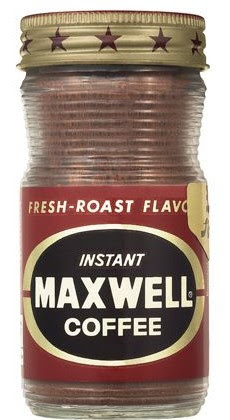
The history of instant coffee production is a fascinating journey that spans over a century, showcasing innovation, necessity, and global influence. The earliest documented version of instant coffee dates back to 1771 in Britain, where a coffee concentrate was developed, intended for quick preparation and long-lasting storage. This early attempt, though rudimentary, laid the groundwork for further experimentation. In 1853, the first American instant coffee product was introduced, and during the Civil War, soldiers field-tested an experimental version of instant coffee to simplify their rations and energize troops on the battlefield.
The modern era of instant coffee began with a significant breakthrough in 1901. Japanese scientist Satori Kato, working in Chicago, invented a stable powdered coffee product. His innovation used a process previously developed for making instant tea, which allowed coffee to be dehydrated into a convenient powder without losing its flavor. This pivotal development opened the doors for large-scale instant coffee production. By 1906, Cyrus Blanke had introduced the first commercial coffee powder to the market, and in 1910, British chemist George Constant Washington improved upon the process, creating "Red E Coffee," a precursor to the modern product.
Brazil played a crucial role in advancing instant coffee production during the 1930s. Facing a surplus of coffee beans, the Brazilian government encouraged research into preservation methods. This led to the development of Nescafé by Nestlé in 1938, a product that used co-drying technology to combine coffee extract with soluble carbohydrates, significantly improving the quality and taste of instant coffee.
Post-World War II saw further advancements, particularly with the introduction of freeze-drying technology, which preserved the aroma and flavor of coffee better than previous methods. By the 1970s, instant coffee had become a staple in households and businesses across the United States. Today, instant coffee remains popular worldwide, with ongoing innovations aimed at improving both its flavor and sustainability.
Evolution of Instant Coffee: A Century of Innovation and Global Impact
The history of food processing centers on the transformation of raw ingredients into food or various food forms. This tradition can be traced back to ancient times, specifically the prehistoric era, where early processing techniques like roasting, smoking, steaming, fermenting, sun drying, and preserving with salt were utilized. Without a doubt, food processing stands as one of humanity's oldest practices, dating back to time immemorial.
Pages
Showing posts with label instant coffee. Show all posts
Wednesday, September 11, 2024
Saturday, May 4, 2024
The Evolution of Commercial Instant Coffee: David Strang's Legacy
The story of commercial instant coffee traces back to the innovative spirit of David Strang, a Scottish entrepreneur based in the southernmost city of Invercargill, New Zealand. While instant coffee's roots can be dated as far back as 1771 in Britain, it was Strang's ingenuity in the late 19th century that propelled this convenient beverage into the modern age.
David Strang, originally from Glasgow, arrived in New Zealand in 1863 after gaining experience in a coffee warehouse. Settling in Invercargill, he established a coffee and spice works factory, where he experimented with novel coffee processing techniques. In 1889, Strang revolutionized coffee production with his "soluble coffee powder," utilizing his patented "Dry Hot-Air" process, which converted brewed coffee into easily dissolvable granules.
Strang's breakthrough marked the birth of commercial instant coffee. He secured a patent (number 3518) for his soluble coffee powder, marketing it under the brand name "Strang's Coffee." This pioneering product boasted advantages for shipping and storage due to its lightweight nature and extended shelf life, a boon for international trade.
Beyond instant coffee, Strang's innovations extended to coffee-roasting technology and the creation of unique blends like mocha, a combination of coffee and cocoa. His contributions didn't stop at beverages; he also patented the "Eclipse Hot Air Grain Dryer," showcasing his versatile approach to manufacturing.
Although Strang laid the groundwork, mass production of instant coffee began in earnest around 1910 when Belgian-American businessman George Constant Louis Washington refined the process. However, Strang's contributions remained pivotal, and his products gained acclaim at exhibitions across Australasia.
Strang's visionary approach encompassed marketing and distribution strategies as well. He packaged his soluble coffee powder in tins, echoing his successful methods with other spice products. Through savvy branding and distribution networks, Strang's Coffee reached a national and international audience, setting the stage for the widespread adoption of instant coffee in the years to come.
In essence, David Strang's legacy in the coffee industry extends far beyond the invention of instant coffee. His pioneering techniques and entrepreneurial spirit reshaped the landscape of coffee manufacturing, laying the groundwork for the global phenomenon of instant coffee that continues to thrive today.
The Evolution of Commercial Instant Coffee: David Strang's Legacy
David Strang, originally from Glasgow, arrived in New Zealand in 1863 after gaining experience in a coffee warehouse. Settling in Invercargill, he established a coffee and spice works factory, where he experimented with novel coffee processing techniques. In 1889, Strang revolutionized coffee production with his "soluble coffee powder," utilizing his patented "Dry Hot-Air" process, which converted brewed coffee into easily dissolvable granules.
Strang's breakthrough marked the birth of commercial instant coffee. He secured a patent (number 3518) for his soluble coffee powder, marketing it under the brand name "Strang's Coffee." This pioneering product boasted advantages for shipping and storage due to its lightweight nature and extended shelf life, a boon for international trade.
Beyond instant coffee, Strang's innovations extended to coffee-roasting technology and the creation of unique blends like mocha, a combination of coffee and cocoa. His contributions didn't stop at beverages; he also patented the "Eclipse Hot Air Grain Dryer," showcasing his versatile approach to manufacturing.
Although Strang laid the groundwork, mass production of instant coffee began in earnest around 1910 when Belgian-American businessman George Constant Louis Washington refined the process. However, Strang's contributions remained pivotal, and his products gained acclaim at exhibitions across Australasia.
Strang's visionary approach encompassed marketing and distribution strategies as well. He packaged his soluble coffee powder in tins, echoing his successful methods with other spice products. Through savvy branding and distribution networks, Strang's Coffee reached a national and international audience, setting the stage for the widespread adoption of instant coffee in the years to come.
In essence, David Strang's legacy in the coffee industry extends far beyond the invention of instant coffee. His pioneering techniques and entrepreneurial spirit reshaped the landscape of coffee manufacturing, laying the groundwork for the global phenomenon of instant coffee that continues to thrive today.
The Evolution of Commercial Instant Coffee: David Strang's Legacy
Labels:
David Strang,
instant coffee
Monday, July 4, 2022
Maxwell House Coffee
In 1884, Jole Cheek and Roger Nolley Smith, a coffee broker, met and the two worked on finding the perfect blend.
In 1892, they persuaded the owners of the Maxwell House Hotel to serve their coffee, and they use the name of the hotel as their coffee brand. The guests loved it so much that the hotel ran out after a few days and had to return to its usual brand. After patrons complained, Maxwell House became the only coffee served at the hotel.
During the Second World War, instant coffee became enormously popular as a convenient and long-lasting product, which could be made anywhere without the need for a coffee machine.
During World War II, freeze drying process was for the preservation of biological samples such plasma. Soon afterwards freeze drying was applied to foods and gained momentum in the food industry starting in the 1950’s.
In 1963 Maxwell House launched a freeze-drying process which came to dominate the market, giving a taste more comparable to fresh coffee. The company claimed tastes more similar to fresh-brewed coffee than other instant coffee products. Within a few years, all major manufacturers had freeze-dried coffee products on the market.
Maxwell House coffee has been owned and produced by several companies, starting with Cheek's company, Nashville Coffee and Manufacturing Company, then followed by General Foods, and Kraft Foods Inc.
Maxwell House Coffee
In 1892, they persuaded the owners of the Maxwell House Hotel to serve their coffee, and they use the name of the hotel as their coffee brand. The guests loved it so much that the hotel ran out after a few days and had to return to its usual brand. After patrons complained, Maxwell House became the only coffee served at the hotel.
During the Second World War, instant coffee became enormously popular as a convenient and long-lasting product, which could be made anywhere without the need for a coffee machine.
During World War II, freeze drying process was for the preservation of biological samples such plasma. Soon afterwards freeze drying was applied to foods and gained momentum in the food industry starting in the 1950’s.
In 1963 Maxwell House launched a freeze-drying process which came to dominate the market, giving a taste more comparable to fresh coffee. The company claimed tastes more similar to fresh-brewed coffee than other instant coffee products. Within a few years, all major manufacturers had freeze-dried coffee products on the market.
Maxwell House coffee has been owned and produced by several companies, starting with Cheek's company, Nashville Coffee and Manufacturing Company, then followed by General Foods, and Kraft Foods Inc.
Maxwell House Coffee
Labels:
instant coffee,
Maxwell House
Sunday, March 20, 2022
Nescafé processing in history
The first “instant coffee” is made in Britain in 1771. Referred to as a “coffee compound” it was granted a patent by the British government.
The first commercial instant coffee was made in Invercargill, New Zealand by David Strang, who owned a coffee and spice works factory. He applied for a patent for his "soluble coffee powder" in 1889 under the name Strang's Coffee.
In 1901, the first successful technique for manufacturing a stable powdered product was invented in Japan by Sartori Kato, who used a process he had developed for making instant tea.
For the first time in 1909, instant coffee is mass produced. George Constant Louis Washington (1871-1946), and he makes the product after seeing, when he was in Guatemala, coffee powder that had deposited on the spout of a a silver coffee pot.
Nescafé was started in 1930 when a group of Brazilian bankers asked Nestlé to help find a way to increase coffee consumption and decrease the enormous surplus of coffee production in Brazil. The background to this inquiry was that Nestlé through it dry milk product has a worldwide reputation and that Brazil produced coffee in abundance, such that the country was forced to destroy part of its crops so as not to see prices fall through the floor on the world market.
Coffee specialist, Max Morgenthaler, was given a task to create a delicious cup of coffee simply by adding water. Morgenthaler, who studied chemistry at the University of Bern, was working for Nestlé when the Brazilian government approached the food and drinks group about producing a soluble form of coffee.
Max and his team worked hard to find a new way to make instant coffee that would retain the coffee’s natural flavor.
After seven years of development by chemist Dr. Max Morgenthaler, Nescafé was born. Max has invented a convenient soluble coffee powder that preserves the bean’s real aroma, but lasts a lot longer.
The breakthrough beverage was finally introduced to the world on 1 April 1938. The company applied the technology at its Hayes factory, west London.
Named by using the first three letters in Nestlé and suffixing it with ‘café’, Nescafé became the new name in coffee.
The new instant coffee process involves drying equal amounts of coffee extract and soluble carbohydrates, and the technique produces a better tasting instant coffee which quickly becomes a popular product.
In 1954 - Nescafé develops a method to produce instant coffee using only coffee, having previously added carbohydrates for stabilization.
Nescafé processing in history
The first commercial instant coffee was made in Invercargill, New Zealand by David Strang, who owned a coffee and spice works factory. He applied for a patent for his "soluble coffee powder" in 1889 under the name Strang's Coffee.
In 1901, the first successful technique for manufacturing a stable powdered product was invented in Japan by Sartori Kato, who used a process he had developed for making instant tea.
For the first time in 1909, instant coffee is mass produced. George Constant Louis Washington (1871-1946), and he makes the product after seeing, when he was in Guatemala, coffee powder that had deposited on the spout of a a silver coffee pot.
Nescafé was started in 1930 when a group of Brazilian bankers asked Nestlé to help find a way to increase coffee consumption and decrease the enormous surplus of coffee production in Brazil. The background to this inquiry was that Nestlé through it dry milk product has a worldwide reputation and that Brazil produced coffee in abundance, such that the country was forced to destroy part of its crops so as not to see prices fall through the floor on the world market.
Coffee specialist, Max Morgenthaler, was given a task to create a delicious cup of coffee simply by adding water. Morgenthaler, who studied chemistry at the University of Bern, was working for Nestlé when the Brazilian government approached the food and drinks group about producing a soluble form of coffee.
Max and his team worked hard to find a new way to make instant coffee that would retain the coffee’s natural flavor.
After seven years of development by chemist Dr. Max Morgenthaler, Nescafé was born. Max has invented a convenient soluble coffee powder that preserves the bean’s real aroma, but lasts a lot longer.
The breakthrough beverage was finally introduced to the world on 1 April 1938. The company applied the technology at its Hayes factory, west London.
Named by using the first three letters in Nestlé and suffixing it with ‘café’, Nescafé became the new name in coffee.
The new instant coffee process involves drying equal amounts of coffee extract and soluble carbohydrates, and the technique produces a better tasting instant coffee which quickly becomes a popular product.
In 1954 - Nescafé develops a method to produce instant coffee using only coffee, having previously added carbohydrates for stabilization.
Nescafé processing in history
Labels:
instant coffee,
Nescafé
Thursday, July 4, 2013
History of freeze drying process
The method can be trace back to prehistoric times and was used by the Aztecs and Eskimo for preserving foodstuffs. The Peruvian Incas who lived in the high altitudes of the Andes also known the basic of freeze drying food. The Incas stored some of their food crops, including potatoes, on the mountain heights.
Toward the end of the 1880s the process was used in laboratory scale and the basic principles understood at that time.
Freeze drying was first carried out by Altmann, who freeze-dried organ pieces in 1890. In 1932, Gersh designed an effective vacuum plant for freeze drying of histological preparations.
One of the experimenters with freeze drying food was American inventory George Speri Sperti of the St. Thomas Institute for Advanced Studies.
During World War II, freeze drying was for the preservation of biological samples such plasma It was used for preserving biological specimens in Sweden in the 1930s and for human blood in World War II.
Soon afterwards freeze drying was applied to foods and gained momentum in the food industry starting in the 1950’s.
In 1964, Nestle developed an improved method of producing instant coffee by freeze drying. Today, several other coffee producers use similar process of preservation.
Freeze drying or lyophilization is a drying process, in which the solvent and /or the medium of suspension is crystallized at low temperature and thereafter sublimated from the solid state directly into the vapor phase.
History of freeze drying process
Toward the end of the 1880s the process was used in laboratory scale and the basic principles understood at that time.
Freeze drying was first carried out by Altmann, who freeze-dried organ pieces in 1890. In 1932, Gersh designed an effective vacuum plant for freeze drying of histological preparations.
One of the experimenters with freeze drying food was American inventory George Speri Sperti of the St. Thomas Institute for Advanced Studies.
During World War II, freeze drying was for the preservation of biological samples such plasma It was used for preserving biological specimens in Sweden in the 1930s and for human blood in World War II.
Soon afterwards freeze drying was applied to foods and gained momentum in the food industry starting in the 1950’s.
In 1964, Nestle developed an improved method of producing instant coffee by freeze drying. Today, several other coffee producers use similar process of preservation.
Freeze drying or lyophilization is a drying process, in which the solvent and /or the medium of suspension is crystallized at low temperature and thereafter sublimated from the solid state directly into the vapor phase.
History of freeze drying process
Labels:
freeze drying,
instant coffee,
origin,
technology
Friday, December 14, 2012
History of instant coffee
It history is link to wars; military commanders had long sought a way to give their troops in the field a caffeine boosts without having to carry along cumbersome brewing equipment.
In 1771, the British granted a patent for a ‘coffee compound’ and in the late nineteenth century a Glasgow firm invented Camp Coffee, a liquid ‘essence’.
In the 1900 the Tokyo chemist Sartori Kato made a version of instant coffee. In 1901, he began introducing the American public to powdered coffee at the Pan-American Exposition in Buffalo, new York.
In United States, the earliest experiments with and patent for, instant coffee date to the civil war. As an outgrowth of these experiments, a European immigrant named George Washington produced the first commercially viable instant coffee in the United States beginning in 1906.
While aiding Brazil in marketing a surplus of beans, Nestle, developed its instant coffee, Nescafe, which retained flavorful oils through a process of freeze drying. Nestle started marketing Nescafe in 1938 and quickly dominated the market.
After World War II, instant coffee became popular in America, prompting an increase in the growth of inferior robusta beans for the cheap blends used for soluble coffee.
History of instant coffee
In 1771, the British granted a patent for a ‘coffee compound’ and in the late nineteenth century a Glasgow firm invented Camp Coffee, a liquid ‘essence’.
In the 1900 the Tokyo chemist Sartori Kato made a version of instant coffee. In 1901, he began introducing the American public to powdered coffee at the Pan-American Exposition in Buffalo, new York.
In United States, the earliest experiments with and patent for, instant coffee date to the civil war. As an outgrowth of these experiments, a European immigrant named George Washington produced the first commercially viable instant coffee in the United States beginning in 1906.
While aiding Brazil in marketing a surplus of beans, Nestle, developed its instant coffee, Nescafe, which retained flavorful oils through a process of freeze drying. Nestle started marketing Nescafe in 1938 and quickly dominated the market.
After World War II, instant coffee became popular in America, prompting an increase in the growth of inferior robusta beans for the cheap blends used for soluble coffee.
History of instant coffee
Labels:
coffee,
freeze drying,
instant coffee,
Nestle
Subscribe to:
Posts (Atom)
Popular Posts
-
Food preservation is as old as human civilization. Preservation of foods inhibits spoilage cause by bacterial growth, oxidation, insects or...
-
The mechanization of tomato paste production traces back to the early 20th century, as industrial food processing evolved to meet rising urb...
-
The grain paste left to stand for a time sooner or later collects wild yeasts form air, and begins to ferment. This was the beginning of lea...
-
Prior to the development of refrigeration and cooling technologies, large quantities of salt were added to meats for long term preservation....
-
During the 20th century the continued application of scientific research to food production has significantly changed the way the world eats...